Seamless vs Cut & Sew Activewear: What's the Difference?
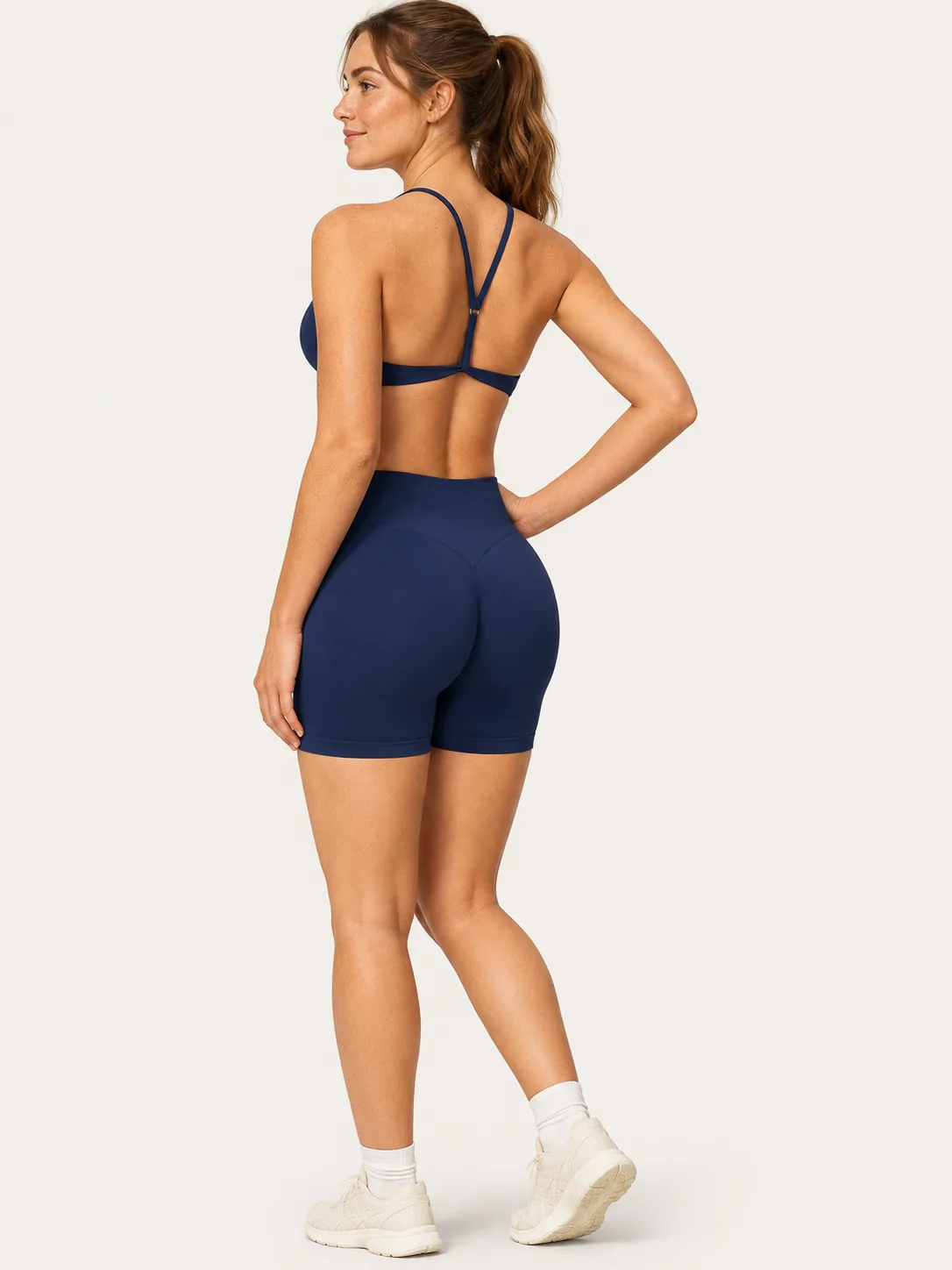
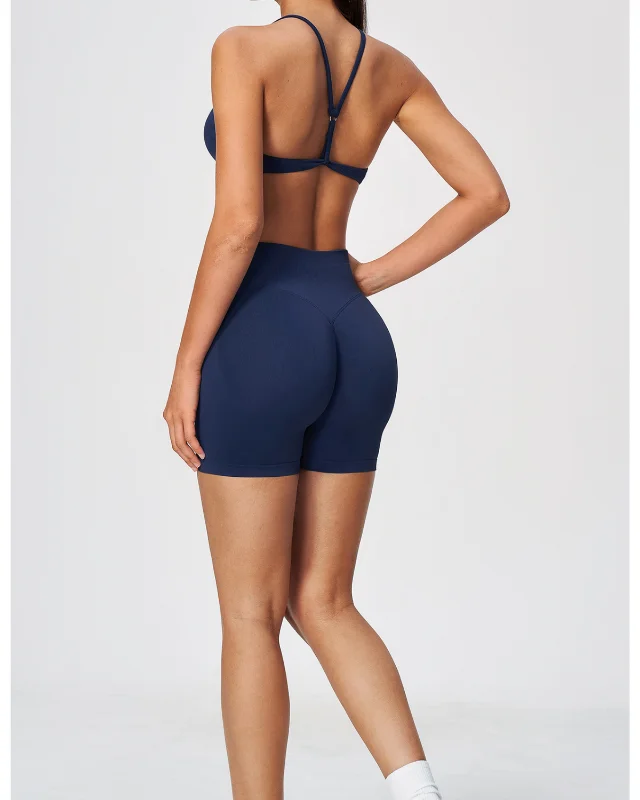
Seamless activewear is knitted in a tube on circular knitting machines, so it has very few seams and its texture and patterns are knitted directly into the fabric. Cut & sew activewear is made from flat fabric cut into panels and stitched together, which allows more shapes, pockets, prints and color blocking. Seamless tends to feel soft and second-skin; cut & sew offers a smoother, more structured look and wider design choice.
How is seamless activewear made?
Seamless garments are knitted on circular knitting machines that produce a continuous tube of fabric close to the finished shape. The machine can change the knit stitch as it goes, so ribbing, waistbands, mesh zones and textured patterns are built into the fabric rather than added later. After knitting, the tube only needs a few finishing steps, such as closing the ends and adding a hem.
Because the shape comes from the knit itself, a seamless legging or top has no side seams. You will typically still find a small number of seams, for example at the waistband or crotch, but far fewer than in a sewn garment.
How is cut & sew activewear made?
Cut & sew starts with flat rolls of stretch fabric. Pattern pieces are cut out, like a sewing pattern, and the panels are stitched together, often with flatlock or coverstitch seams that lie flat against the skin. Waistbands, gussets, pockets and trims are sewn in as separate pieces.
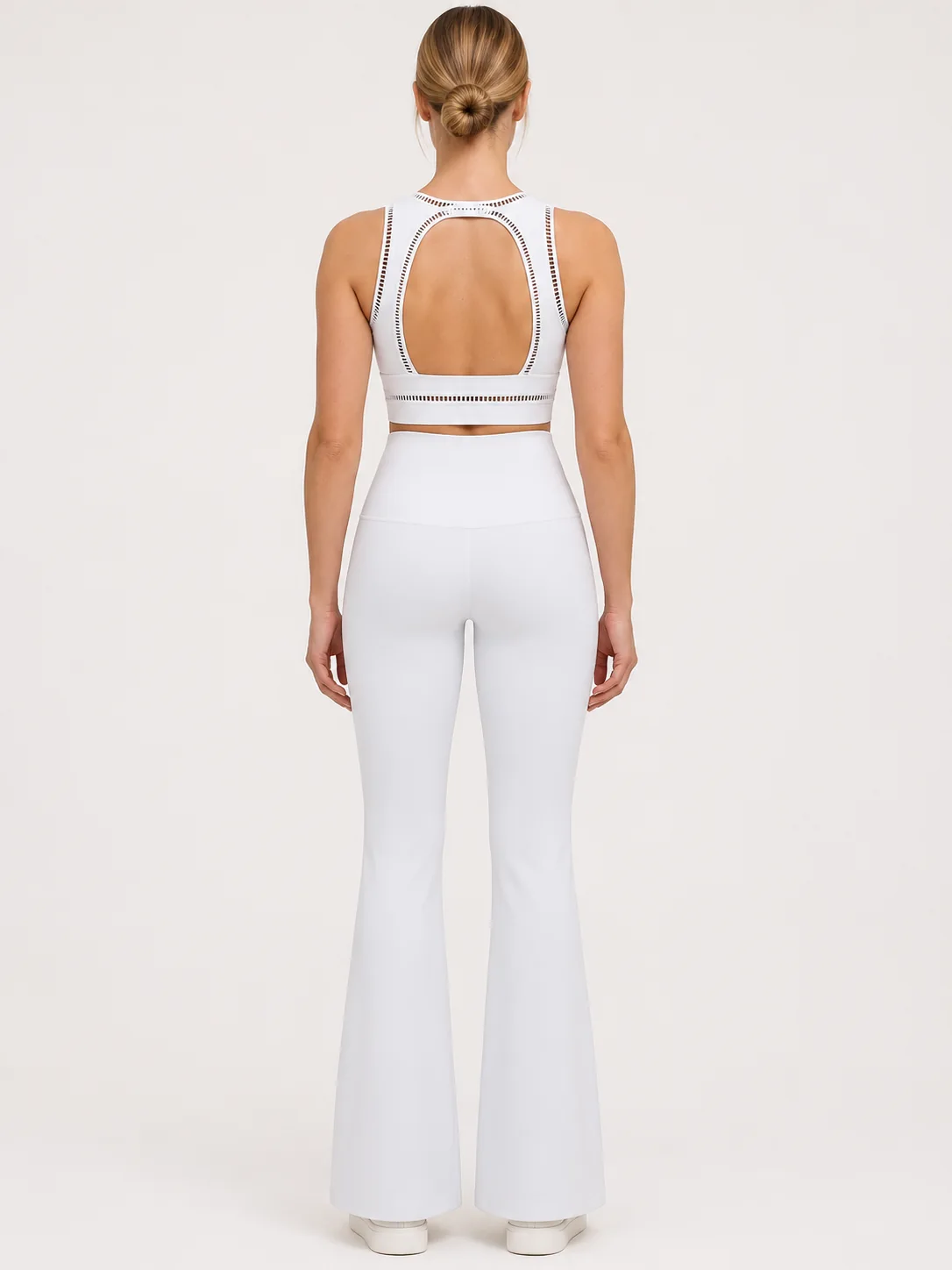
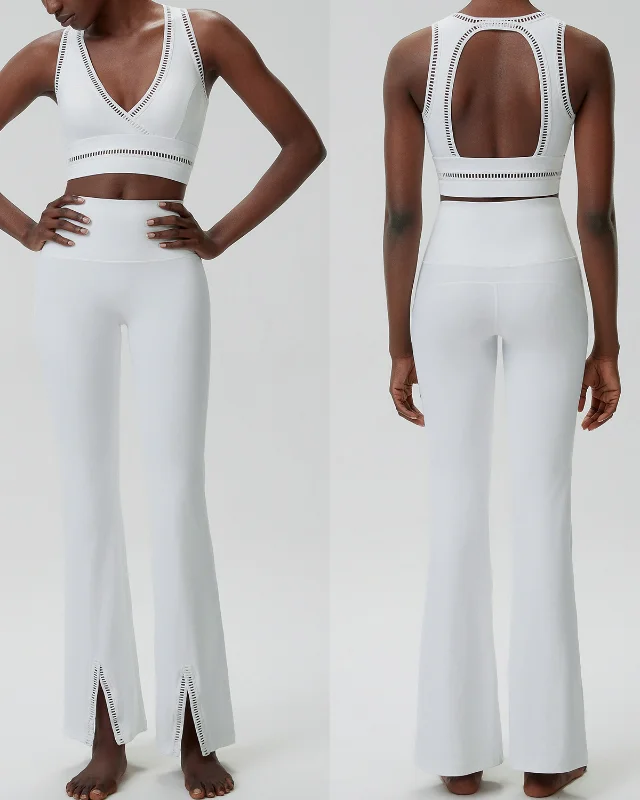
This method gives designers a lot of freedom. Panels can be shaped for a particular fit, cut from different colors for color blocking, or swapped for mesh in chosen areas. Printed fabrics can be used, and details like zips, drawcords and side pockets are straightforward to add.
How do seamless and cut & sew compare?
The table below sums up the main differences. These are typical traits; individual styles vary, so check each product page for the details.
| Seamless | Cut & sew | |
|---|---|---|
| How it is made | Knitted as a tube on circular knitting machines | Panels cut from flat fabric and stitched together |
| Seams | Very few | Side, inner leg and panel seams |
| Typical feel | Soft, stretchy, close-fitting, second-skin | Smooth, often slightly firmer and more structured |
| Texture and pattern | Knitted-in ribs, contours, jacquard and marl effects | Mostly smooth fabric; prints and color blocking |
| Pockets and trims | Rare | Common: pockets, zips, mesh panels, drawcords |
| Fit range | Very stretchy, so one size can cover a wider span | Shape is set by the pattern, so size choice matters more |
| Looks good for | Knitted textures, solid colors, minimal lines | Clean lines, prints, sportier details |
How do they feel and look different?
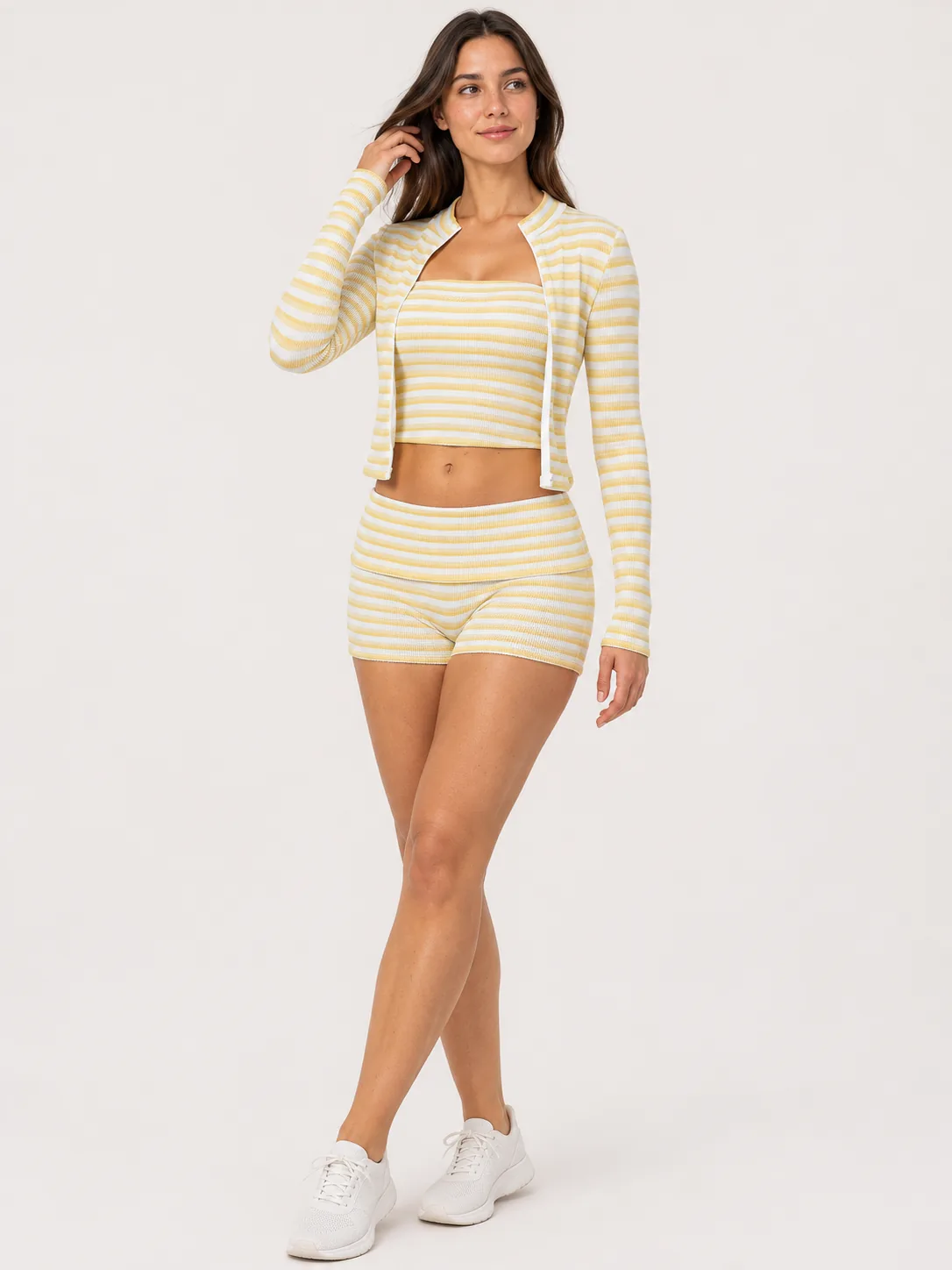
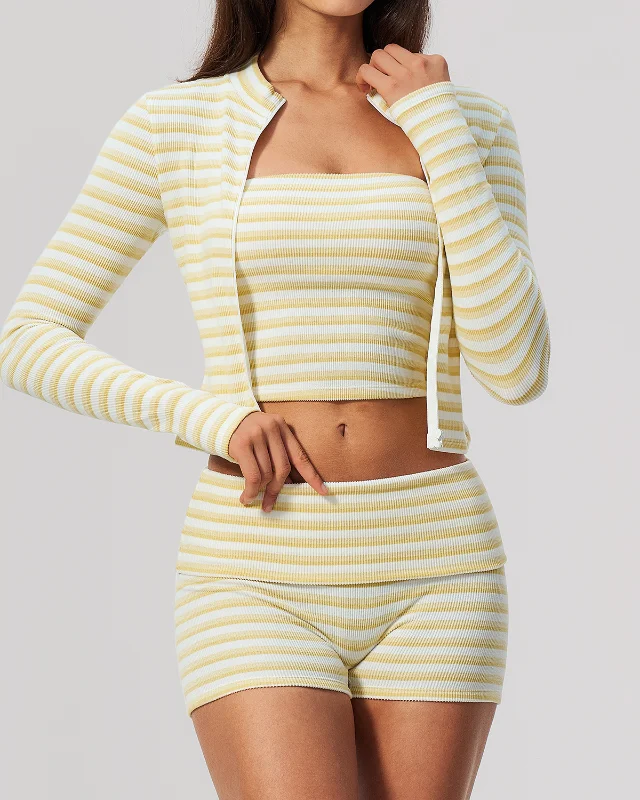
Seamless fabric is usually a nylon-spandex knit with a soft, slightly textured surface. Without side seams, it moves with you and can feel almost unnoticeable under clothes. Its knitted-in ribbing and contour lines are a big part of the look, and they also help disguise small creases.
Cut & sew pieces often use a smooth, dense, matte or slightly sheen fabric. They give a cleaner, sleeker silhouette, and the seams themselves can be design lines. Since the fabric is milled separately, cut & sew styles come in a wider choice of finishes, including brushed, ribbed and printed fabrics.
Which one should I choose?
Choose seamless if you want a soft, stretchy, minimal piece with texture built in, and you do not need pockets. It is a popular choice for yoga, studio classes, lounging and layering, and for anyone who finds side seams irritating.
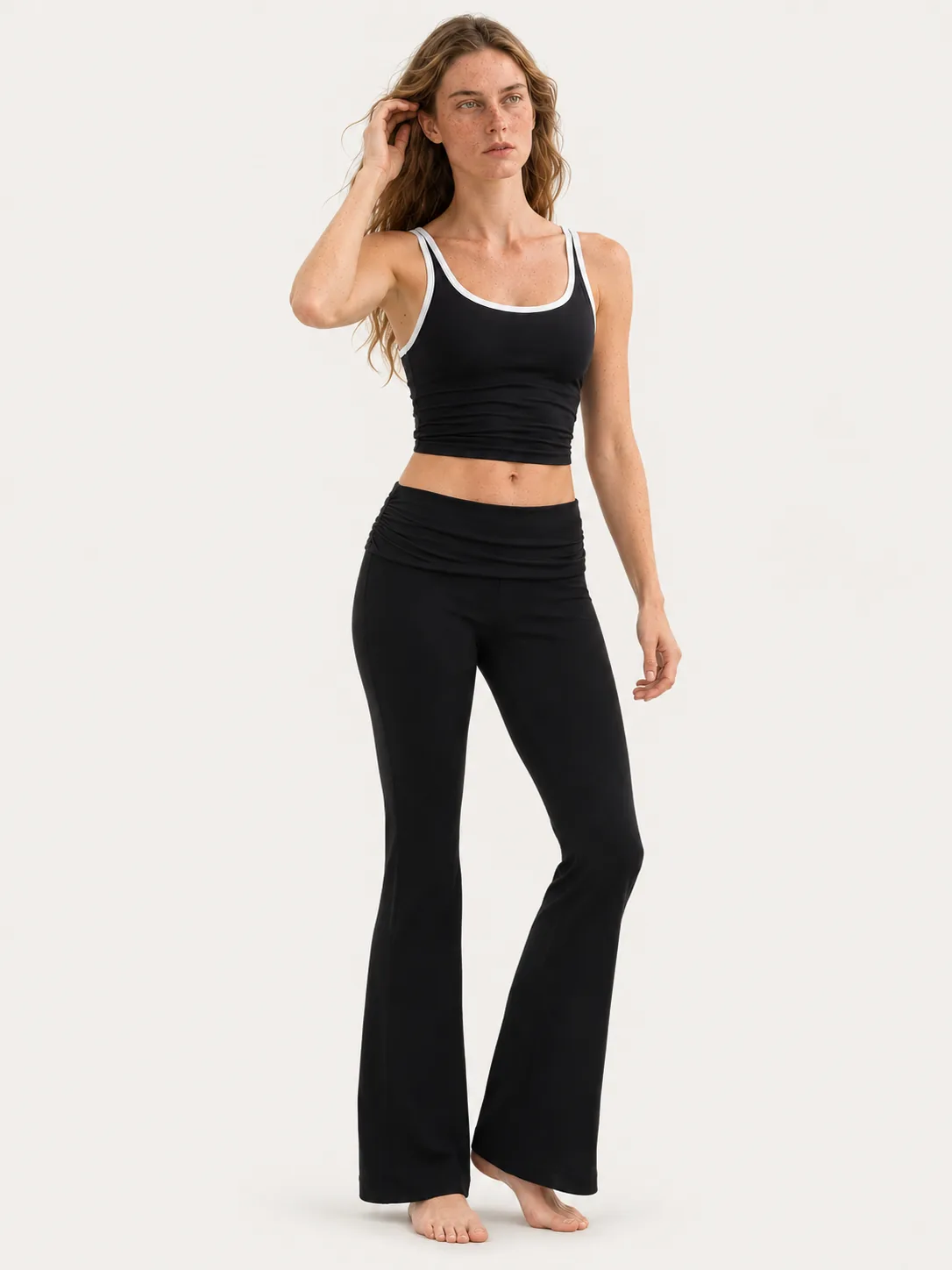
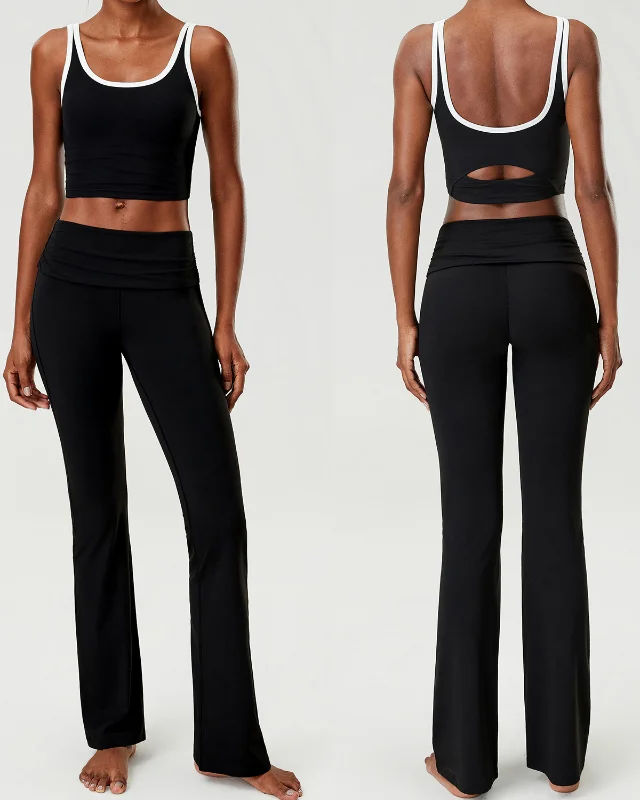
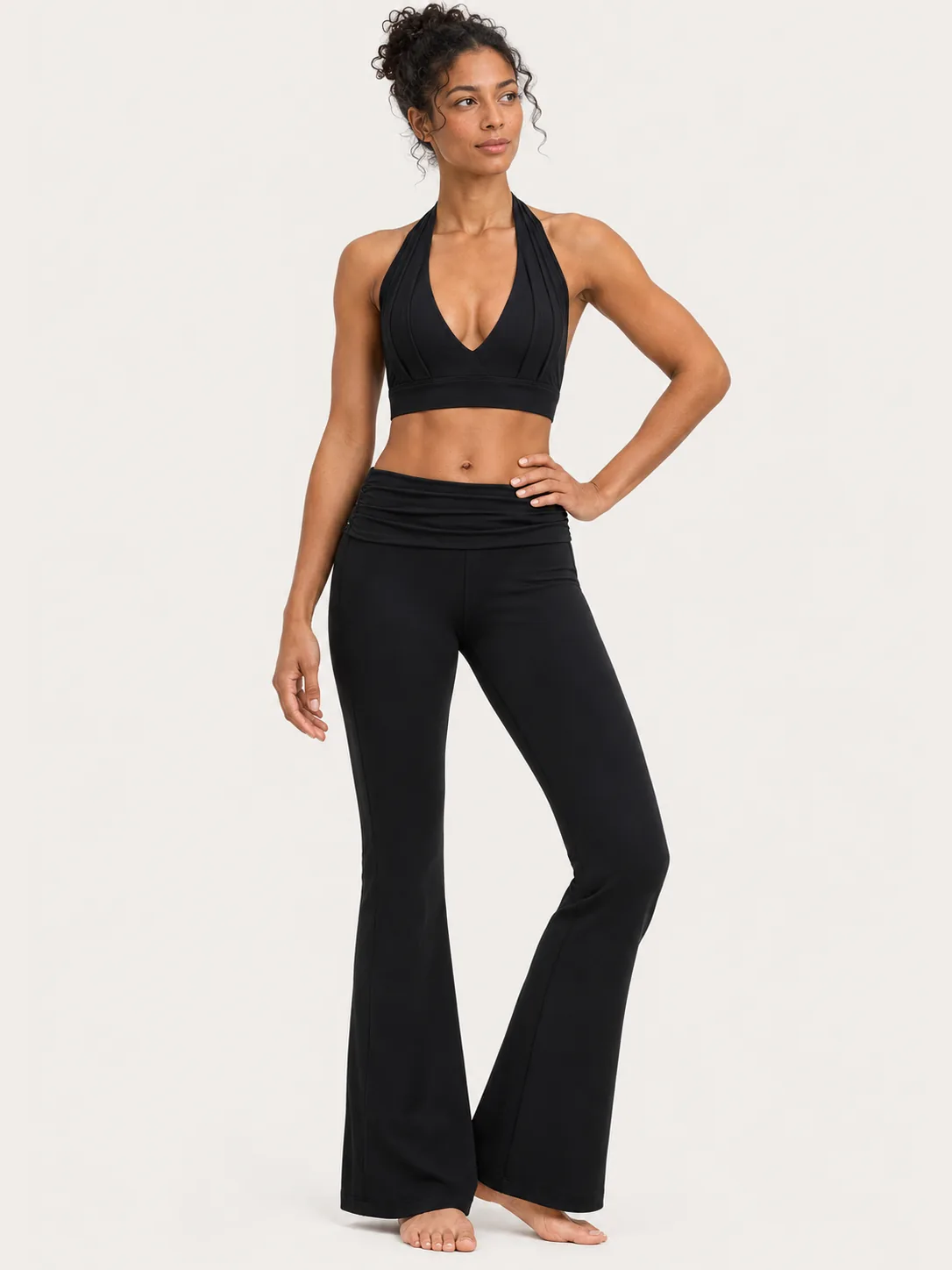
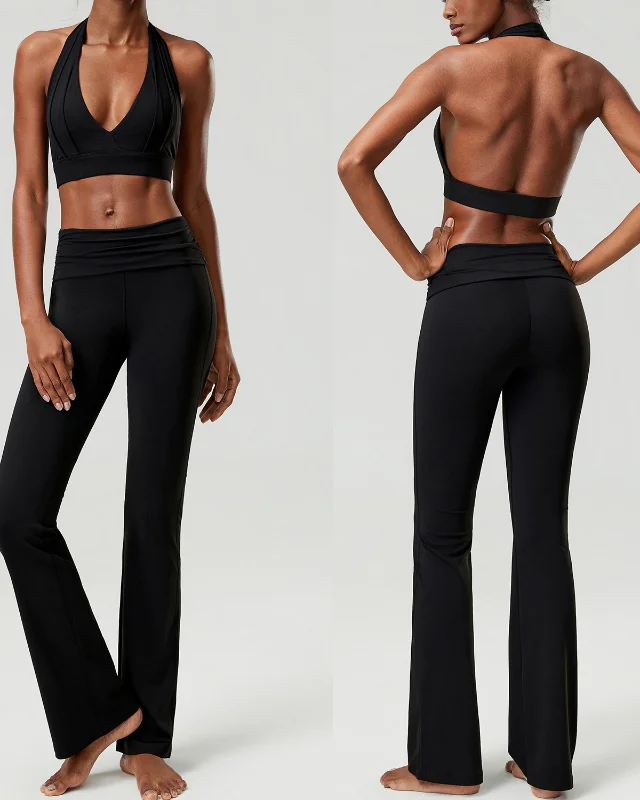
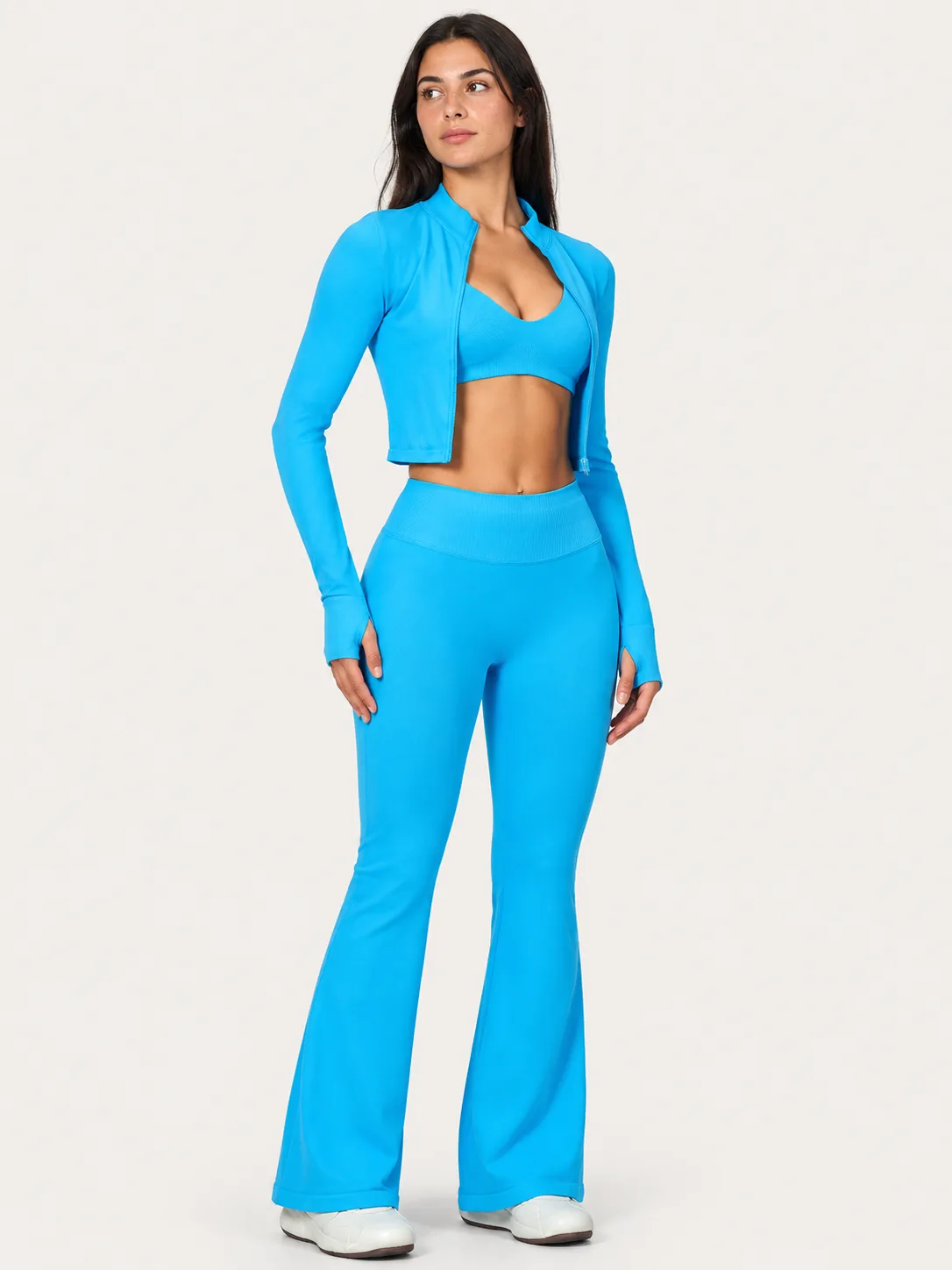
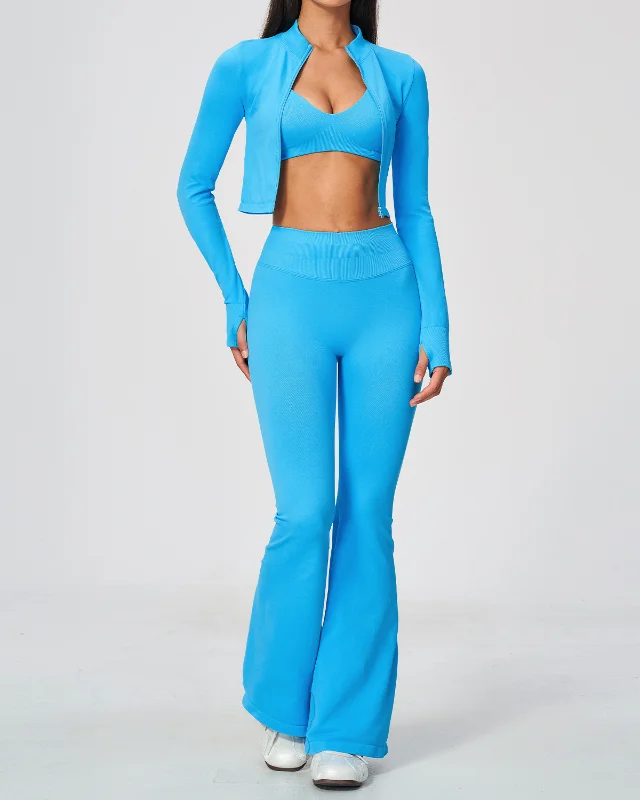
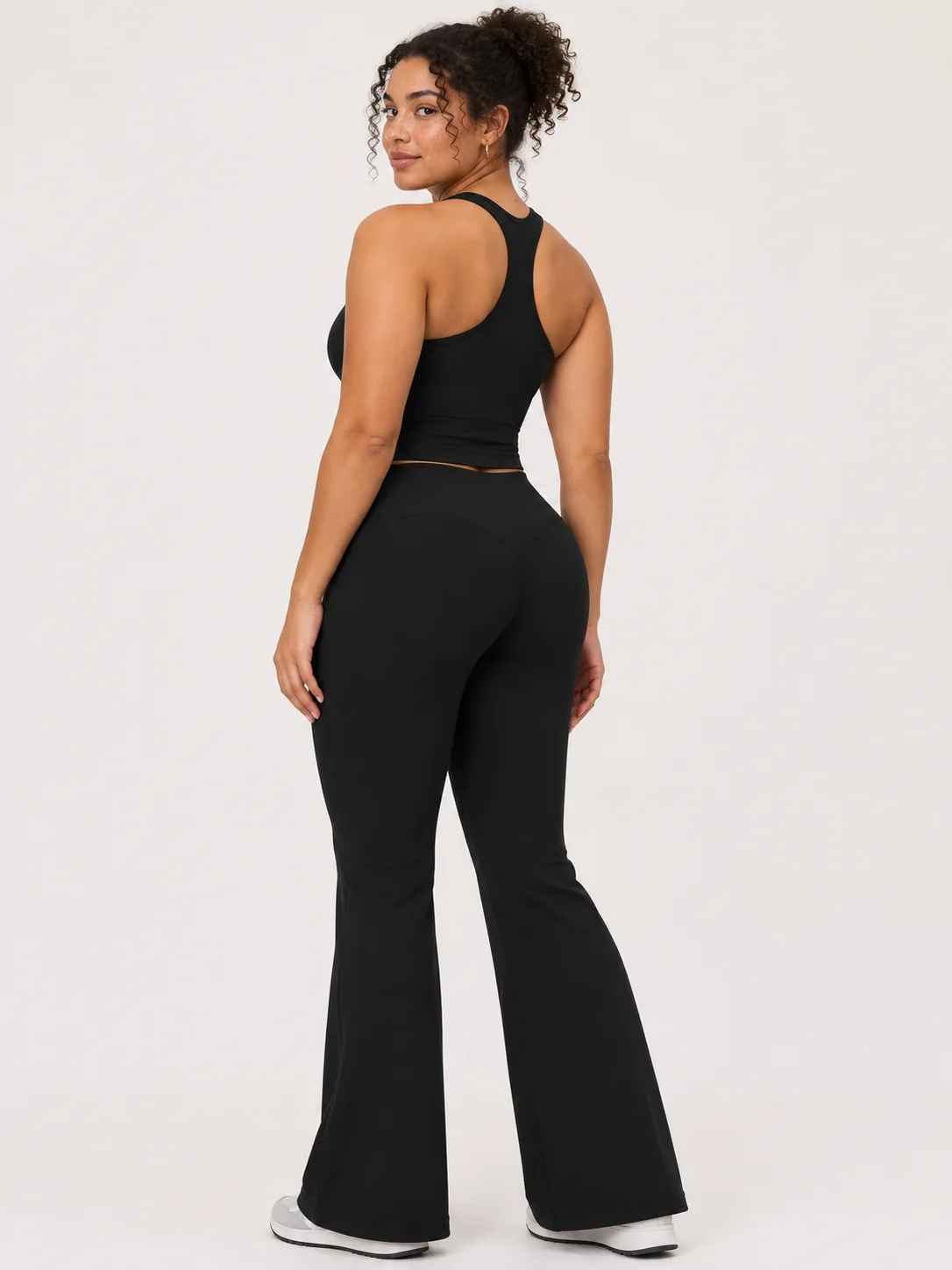
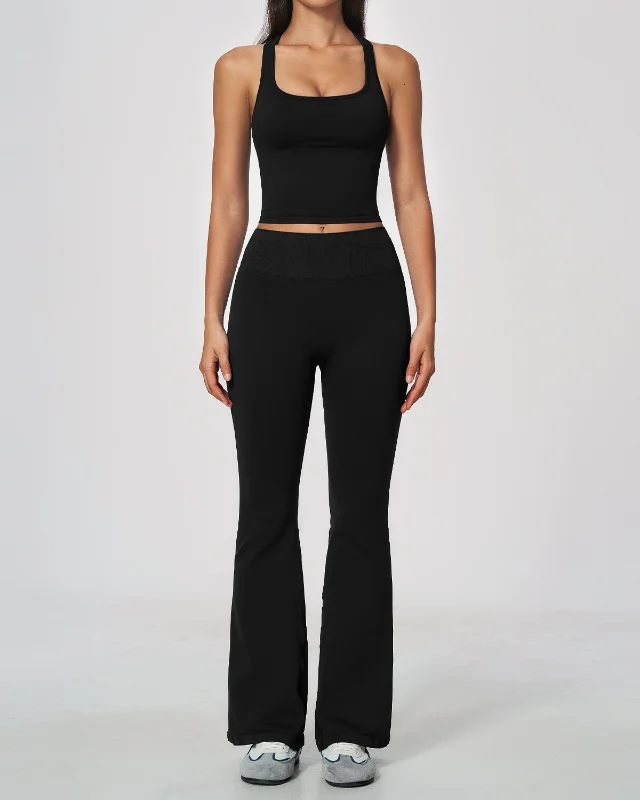
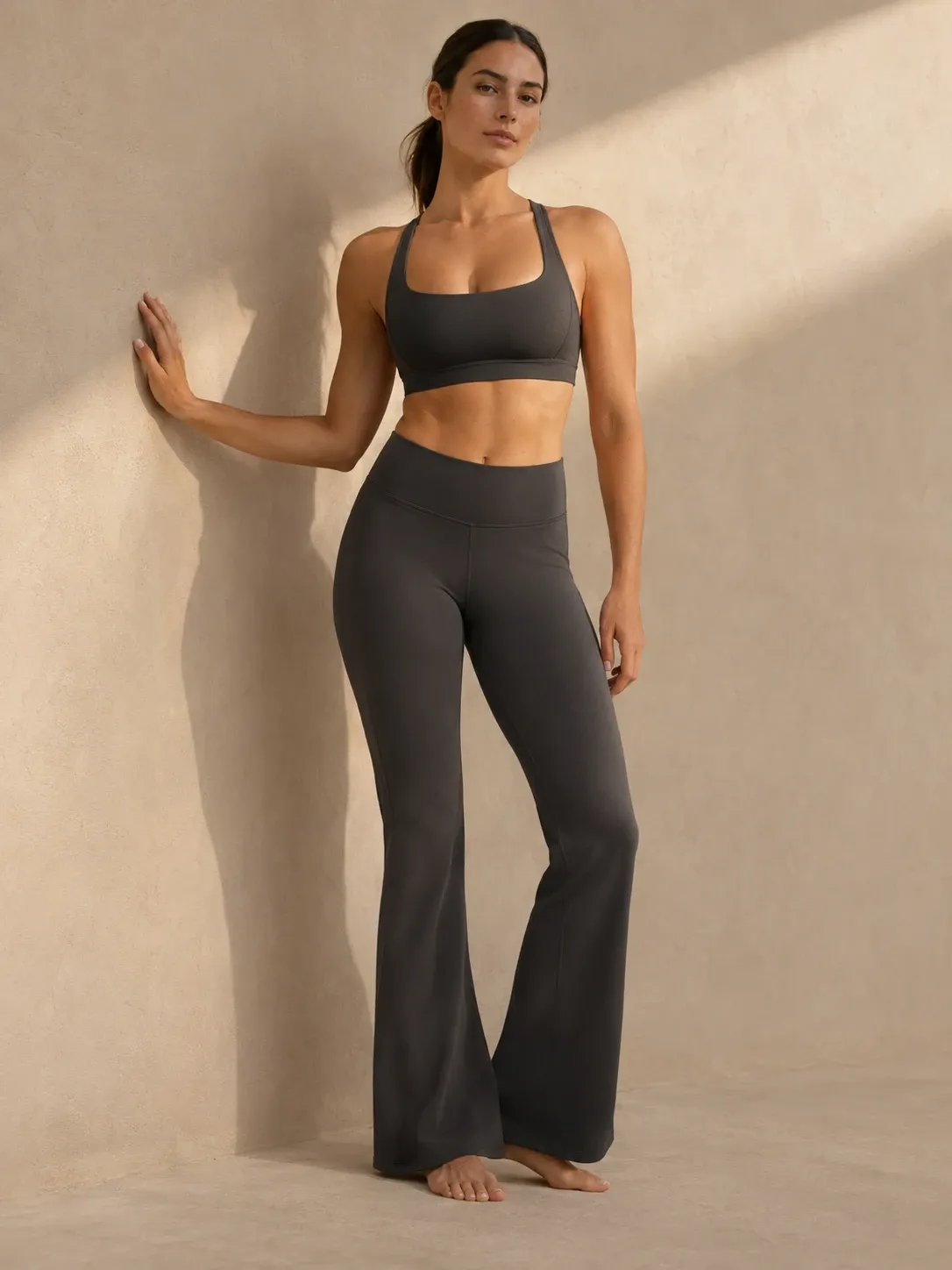
Choose cut & sew if you want pockets, prints, mesh or color blocking, a more structured fit, or a particular shape such as a flared leg, a skirted short or a specific neckline. It also suits people who like a smoother, sleeker fabric surface.
Many people own both. In our yoga sets range, cut & sew styles outnumber seamless ones by roughly five to one, about 760 compared with about 150, so if you want the widest choice of designs, cut & sew is where you will find it. Our leggings and jumpsuits include both constructions too.
How do I tell which construction a style uses?
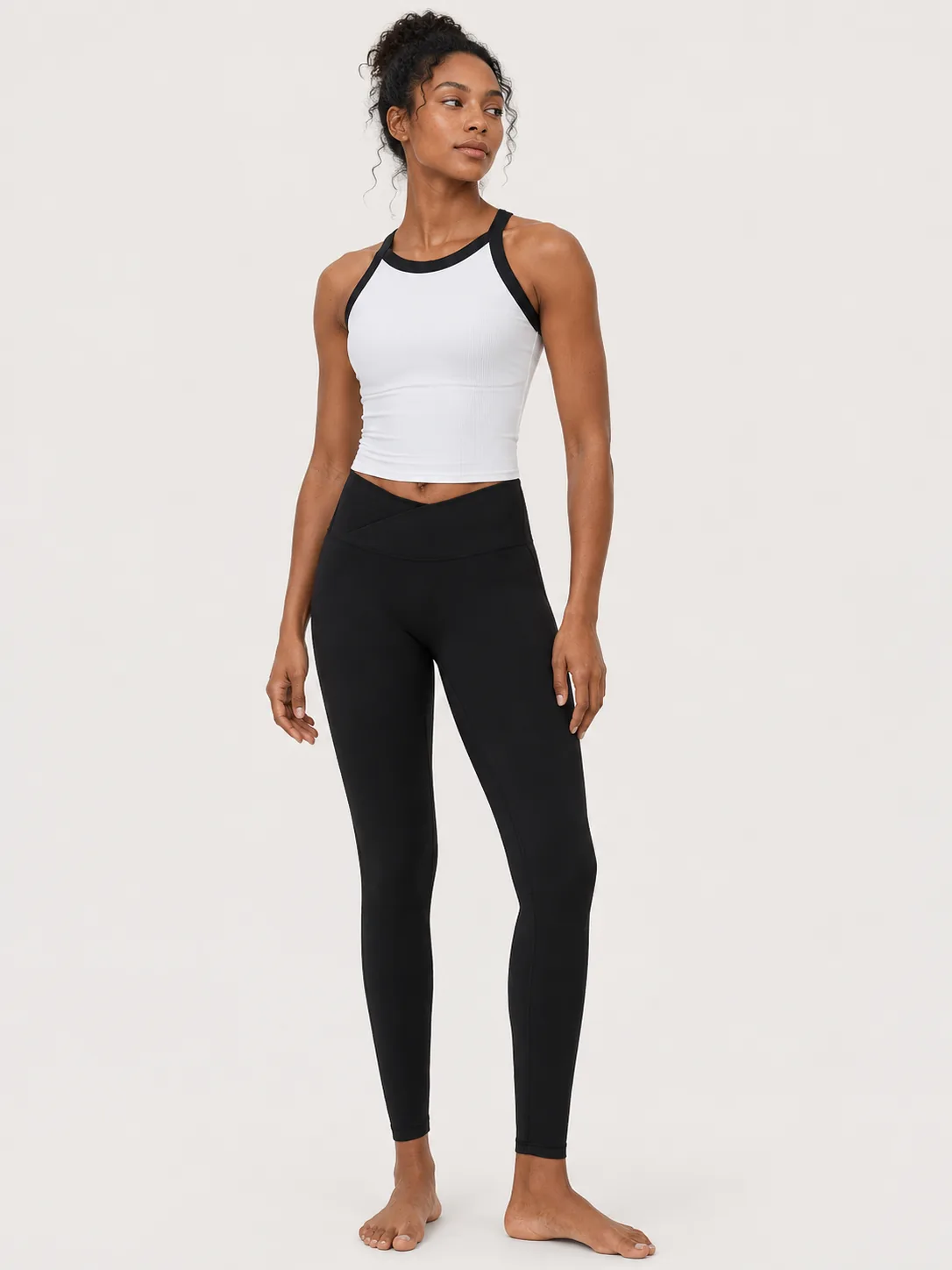
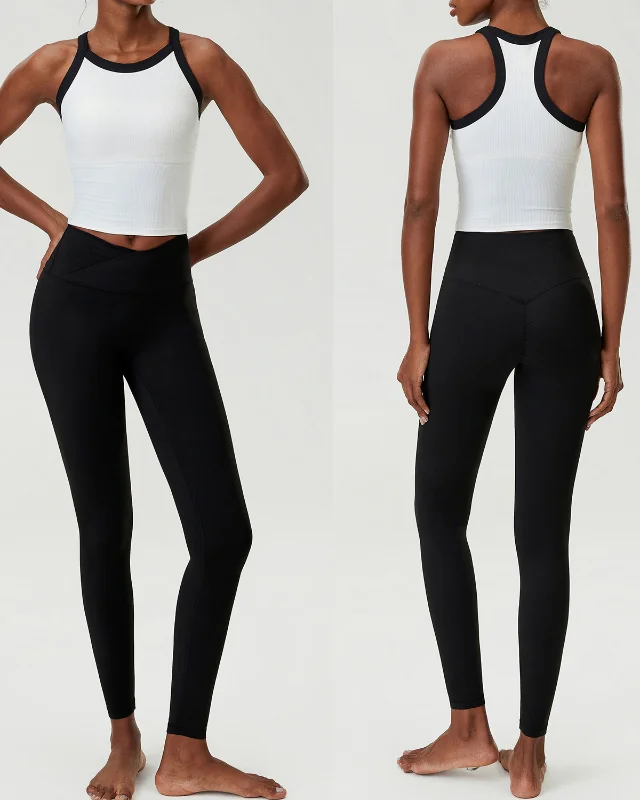
Seamless styles usually say so in the product name or description. In photos, look for the absence of side seams and for knitted-in ribs or patterns that run around the body. Cut & sew styles show visible seam lines, sewn-in waistbands and features such as pockets. If you are unsure, the product page description is the place to check.
Questions and answers
What does seamless mean in activewear?
It means the garment is knitted as a tube on circular knitting machines, close to its final shape, so it has very few seams. Texture and waistbands are knitted in rather than sewn on.
Is seamless better than cut & sew?
Neither is better overall. Seamless suits people who want a soft, minimal, textured piece; cut & sew suits people who want pockets, prints and more design choice.
Do seamless leggings run small?
Seamless knits are very stretchy, but fit still varies by style. Compare your waist and hip measurements with our size guide, and size up if you are between sizes.
Why do cut & sew leggings have more seams?
They are assembled from several cut panels, so each panel join needs a seam. Flatlock seams are often used so the joins lie flat.
Shop: Yoga Sets · Leggings · Jumpsuits · Find your fit in our size guide · Terms explained in the glossary