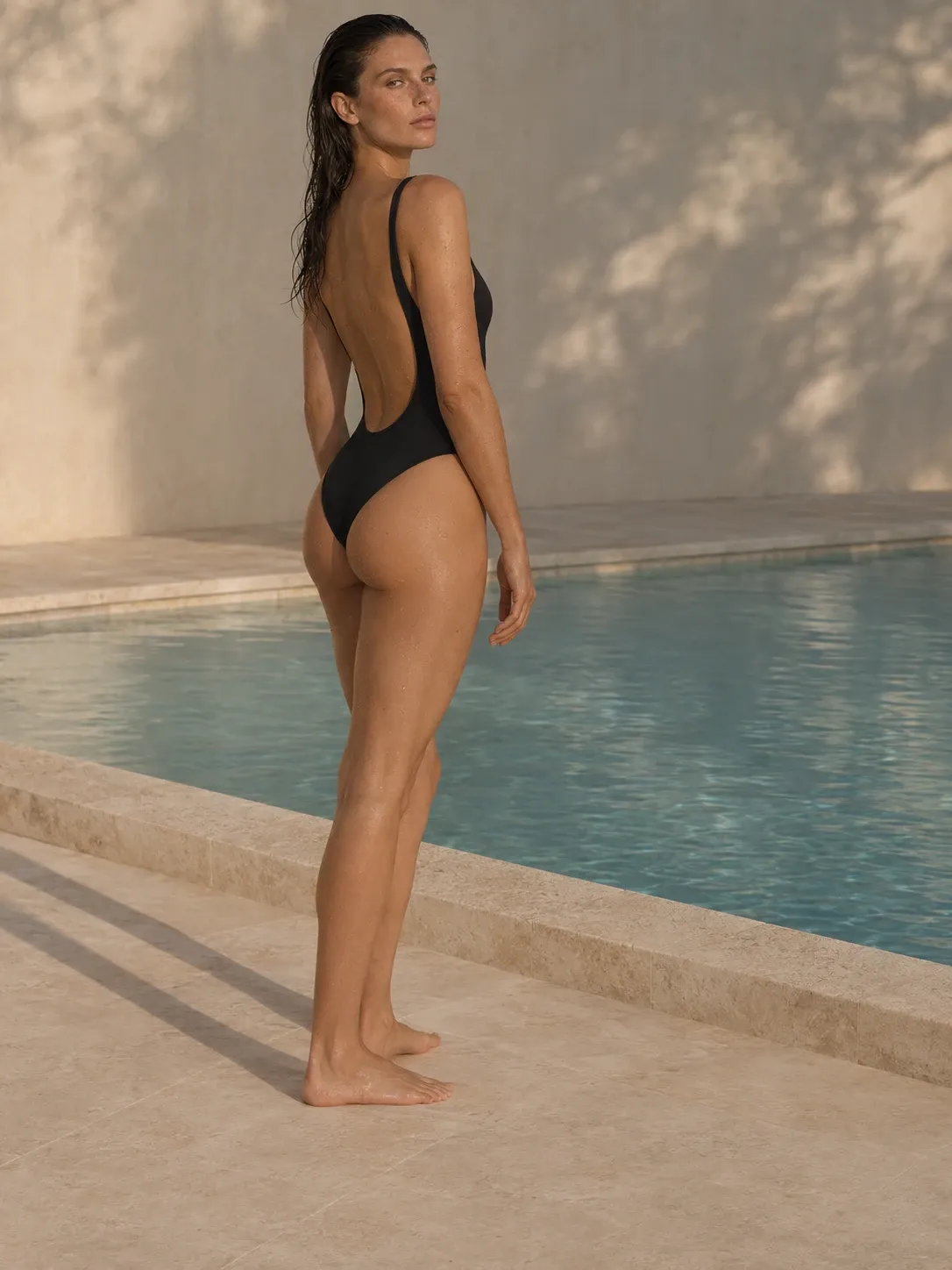
How to Choose Swimwear: Bikinis, One-Pieces and Cover-Ups
Choose a bikini set if you like a two-piece look and want to mix top and bottom styles, a one-piece swimsuit if you prefer a single garment that stays in place, and a cover-up to wear over either one between swims. Most swimwear is made from nylon or polyester blended with spandex, and it lasts longer if you rinse it in cool fresh water after every swim and let it air dry.
Bikini set, one-piece or cover-up: which should you choose?
The right choice depends on what you plan to do and how you like to feel at the beach or pool. Our swimwear range includes more than 300 bikini sets, more than 170 one-piece swimsuits and around 50 cover-ups, so here is a simple way to compare them.
| Type | What it is | Good for |
|---|---|---|
| Bikini set | A separate top and bottom sold together | Sunbathing, holidays, choosing a style you like for top and bottom |
| One-piece swimsuit | A single garment covering the torso | Swimming laps, water play, a streamlined look with nothing to adjust |
| Swim cover-up | A light dress, kimono, sarong or shirt worn over swimwear | Walking to the beach, lunch by the pool, travel days |
Which bikini top styles are there?
Bikini tops vary mostly by how they tie and how much they cover. Look at the straps, the neckline and whether there are pads or ties you can adjust.
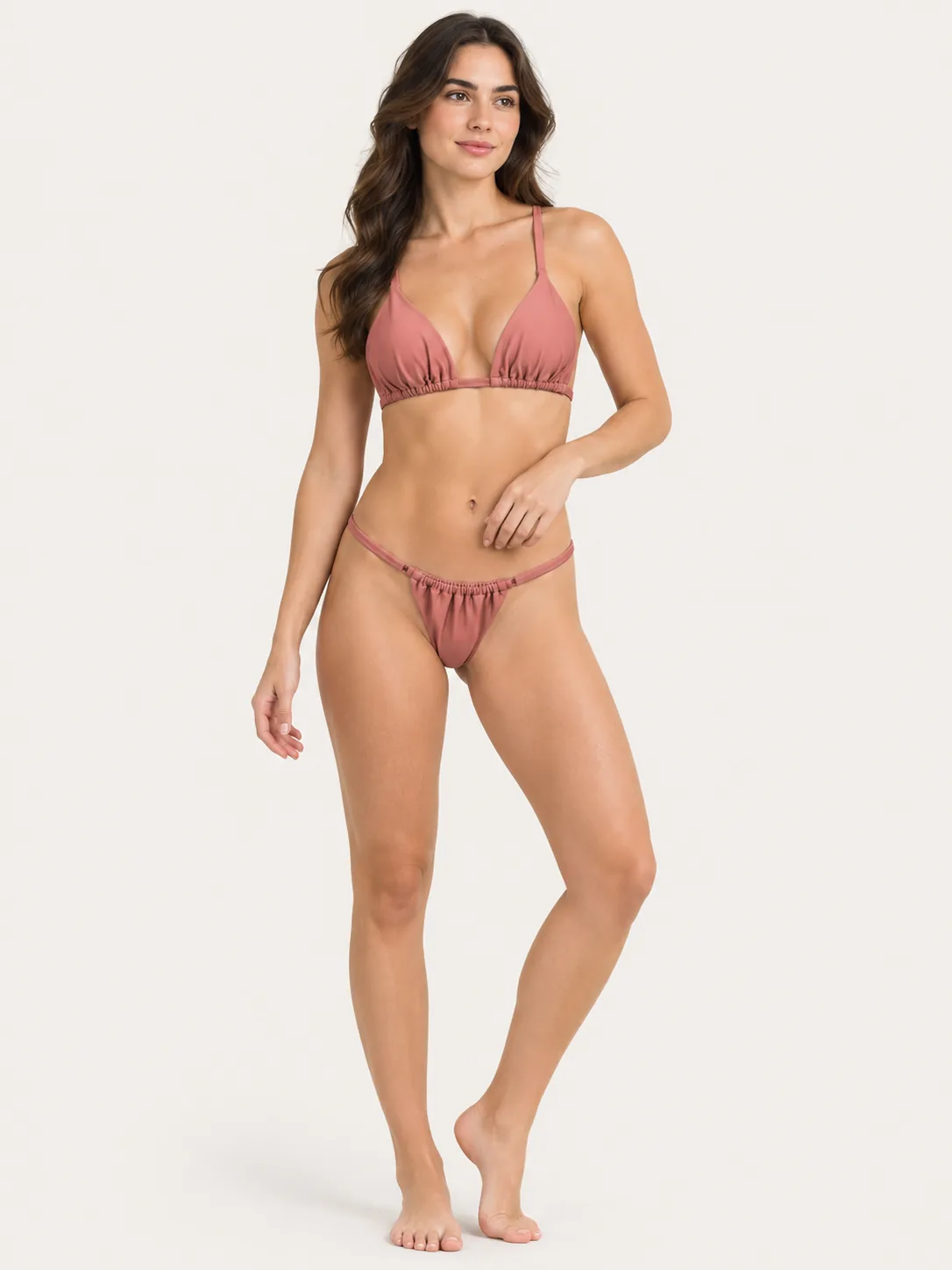
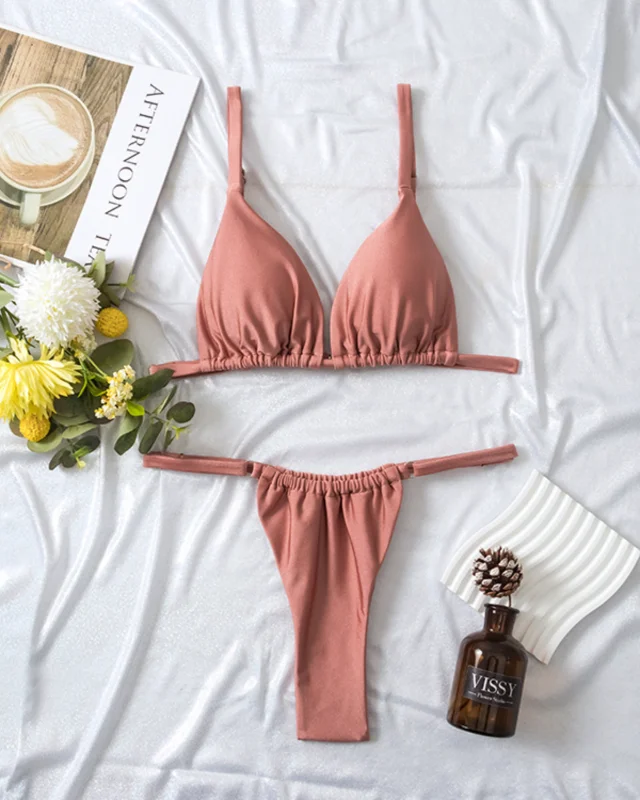
- Triangle: two triangular cups that usually tie at the neck and back, easy to adjust.
- Halter: straps go around the neck, giving a high, secure-feeling neckline.
- Bandeau: a strapless band across the chest, good for even tan lines; some come with optional straps.
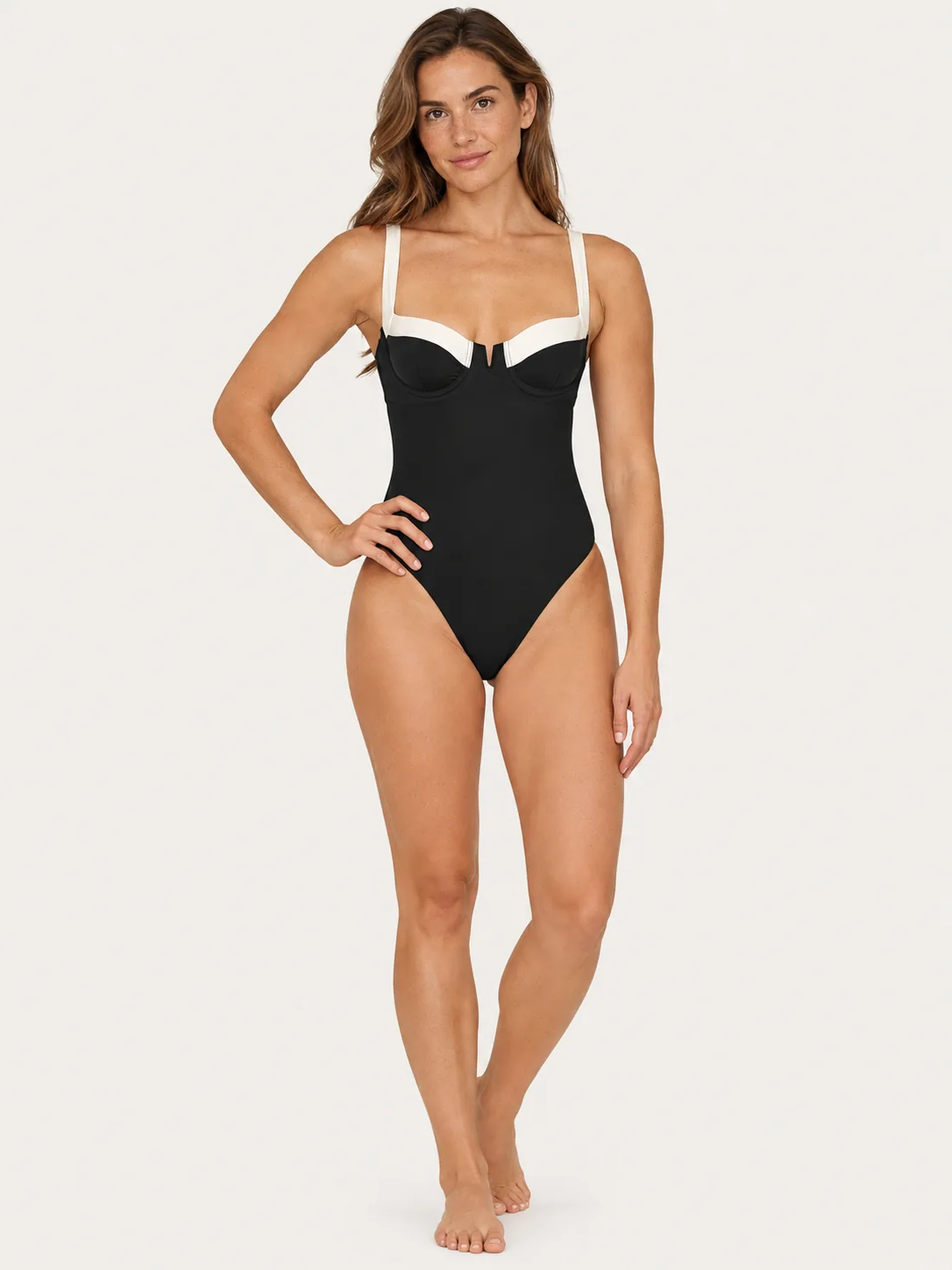
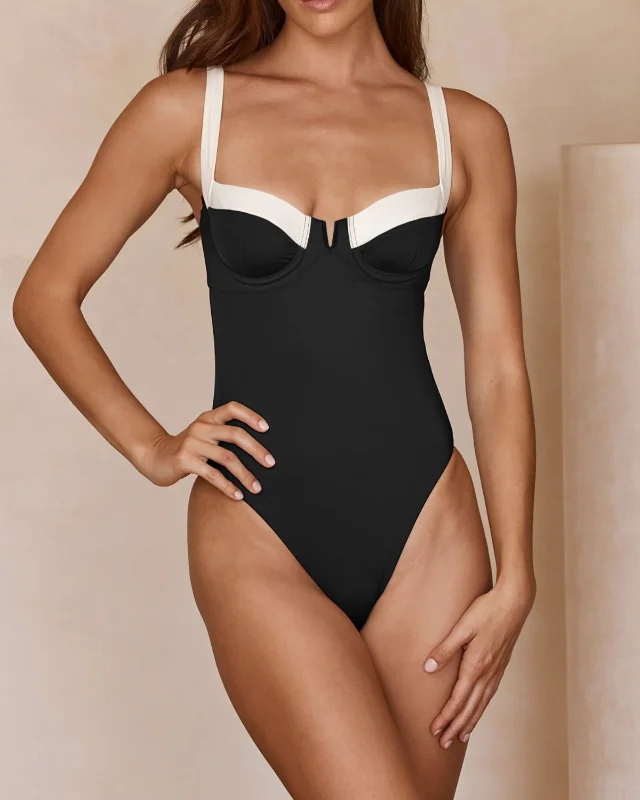
- Underwire or push-up styles: more structured cups with a shaped look.
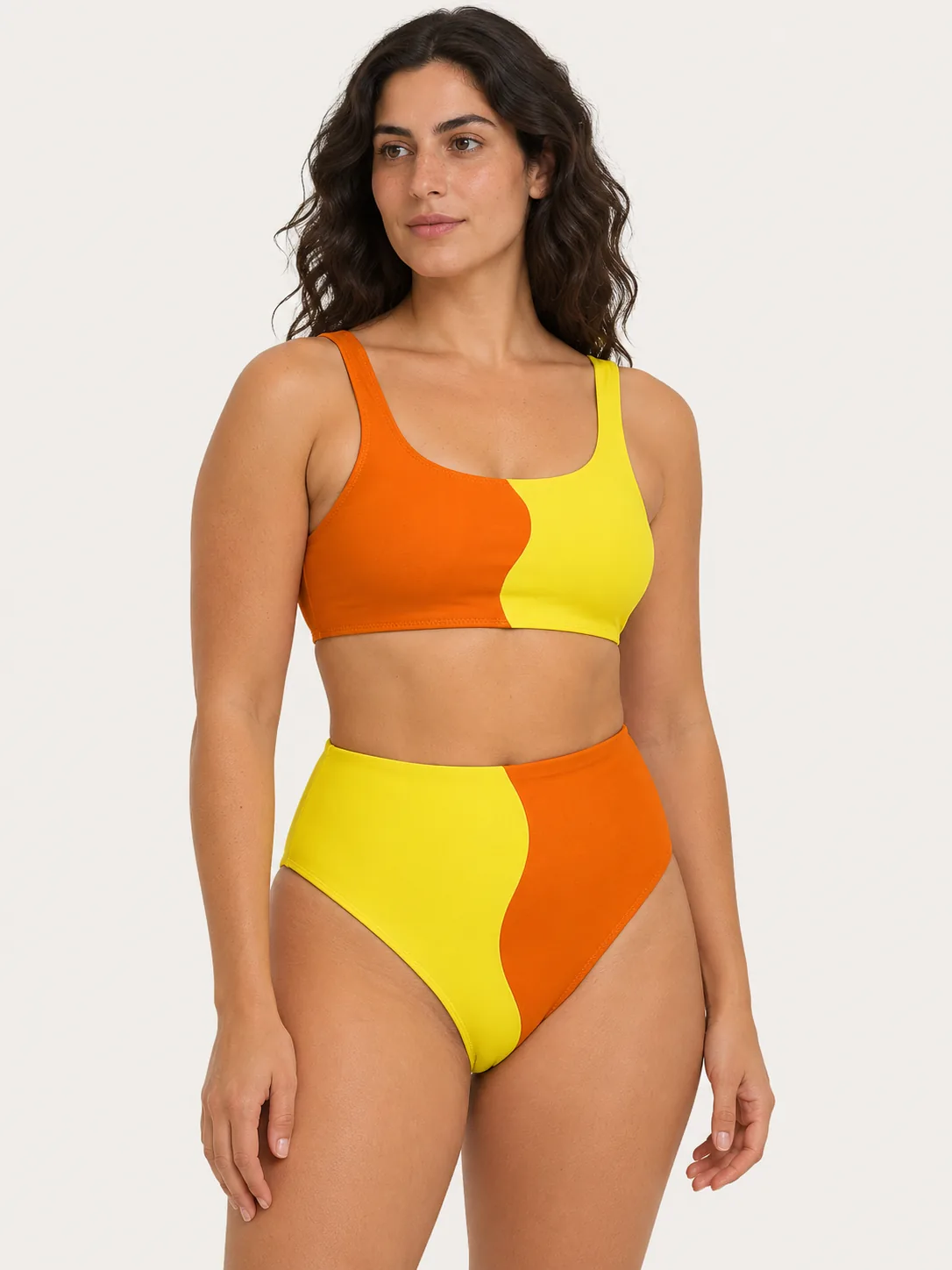
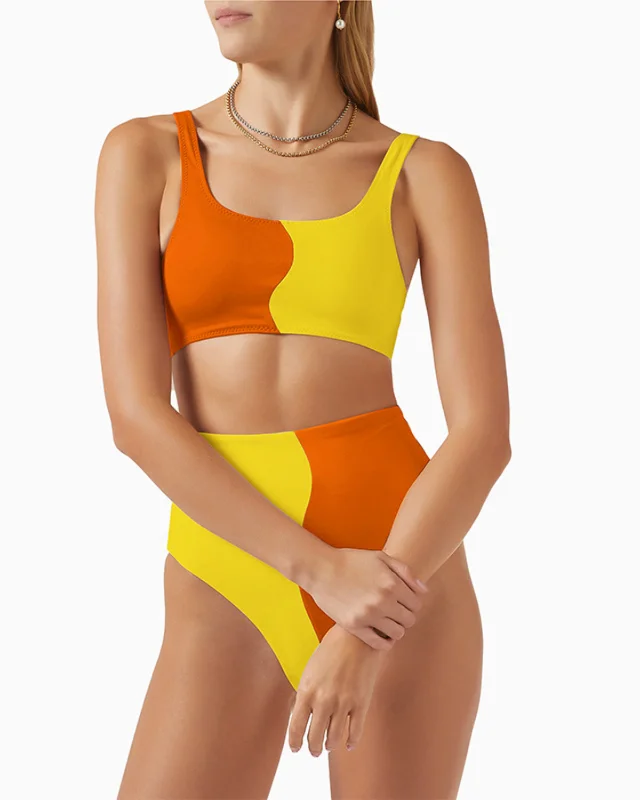
- Bralette or sporty tops: wider straps and fuller coverage, closer to a sports bra.
Which bikini bottoms and one-piece styles are there?
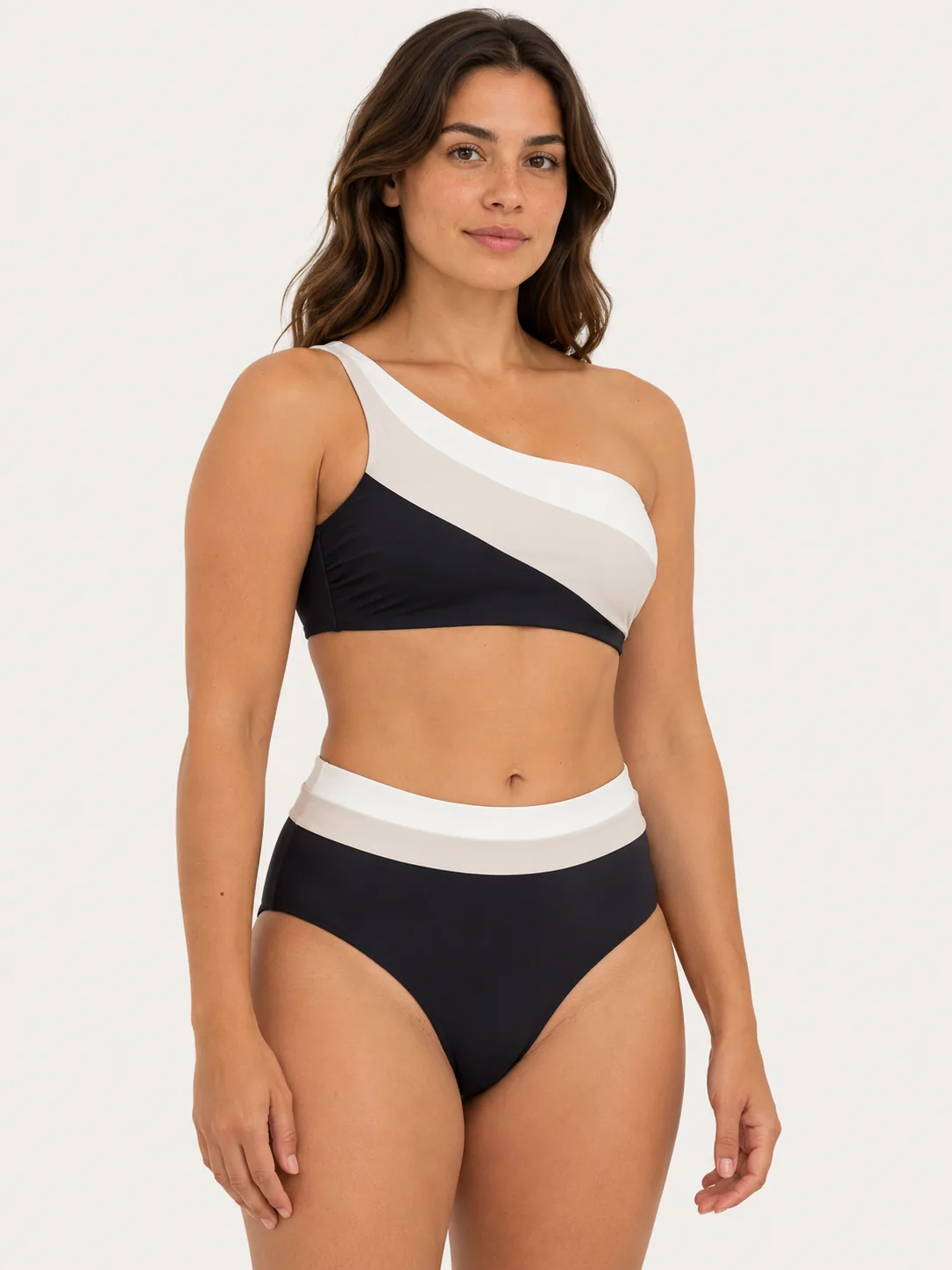
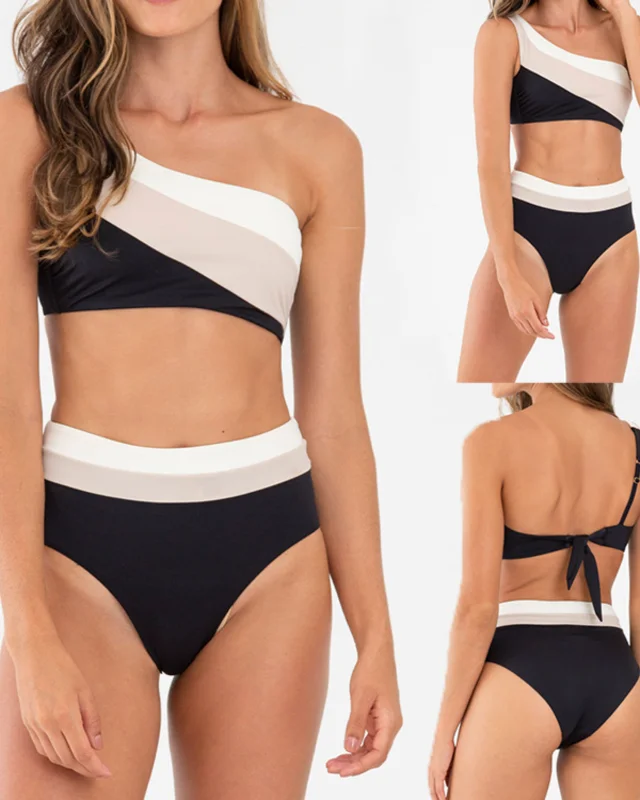
Bikini bottoms range from cheeky cuts with less coverage at the back to fuller briefs and high-waisted styles that sit at or above the belly button. Tie-side bottoms let you adjust the fit at the hips. High-cut legs make the leg line look longer; lower-cut legs give more coverage.
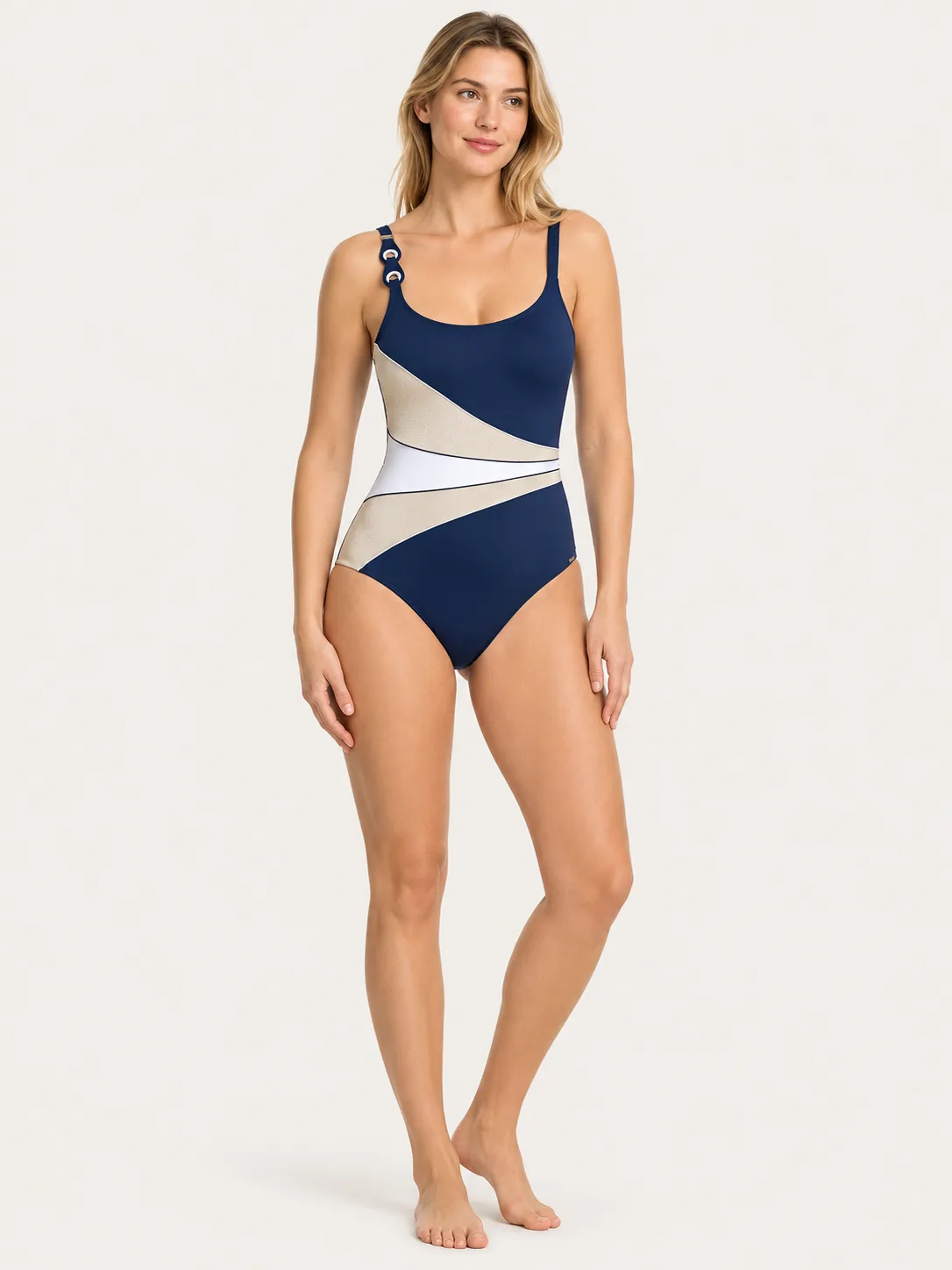
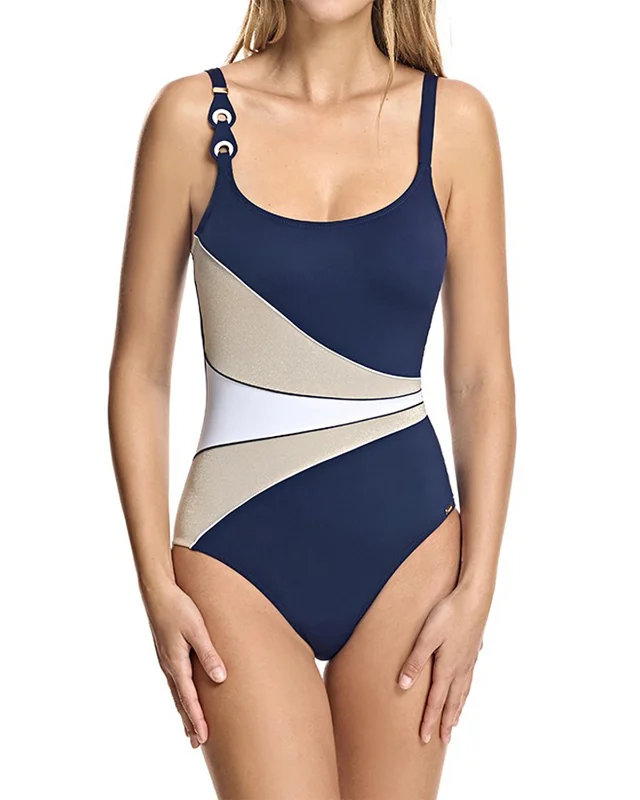
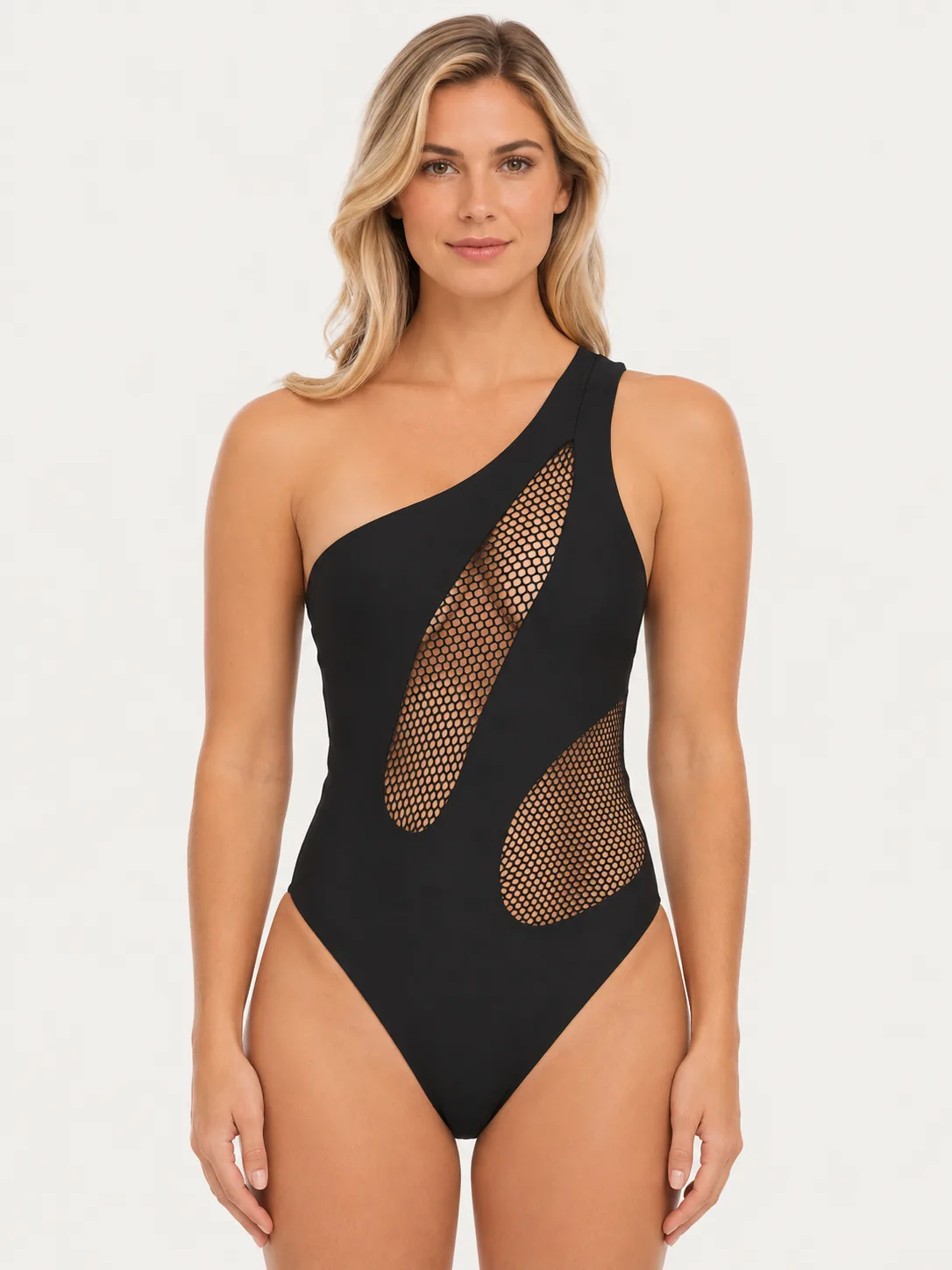
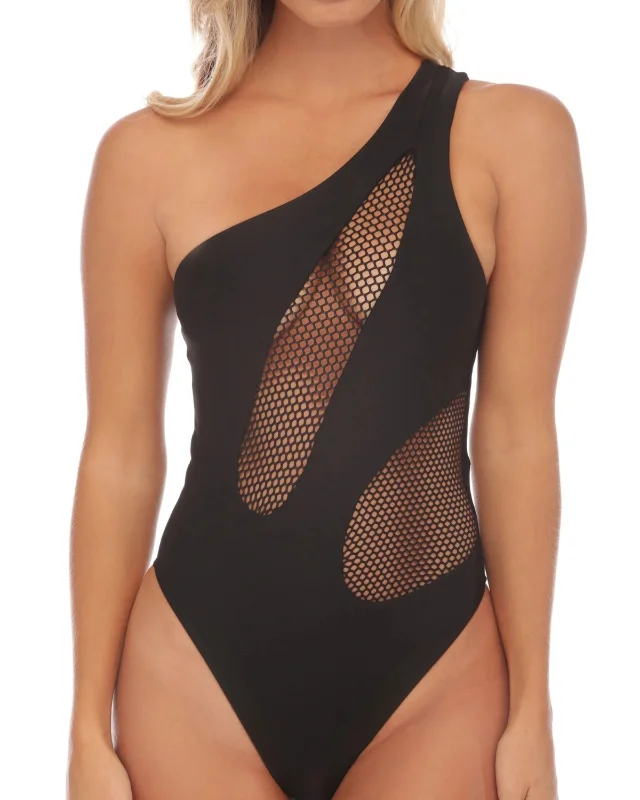
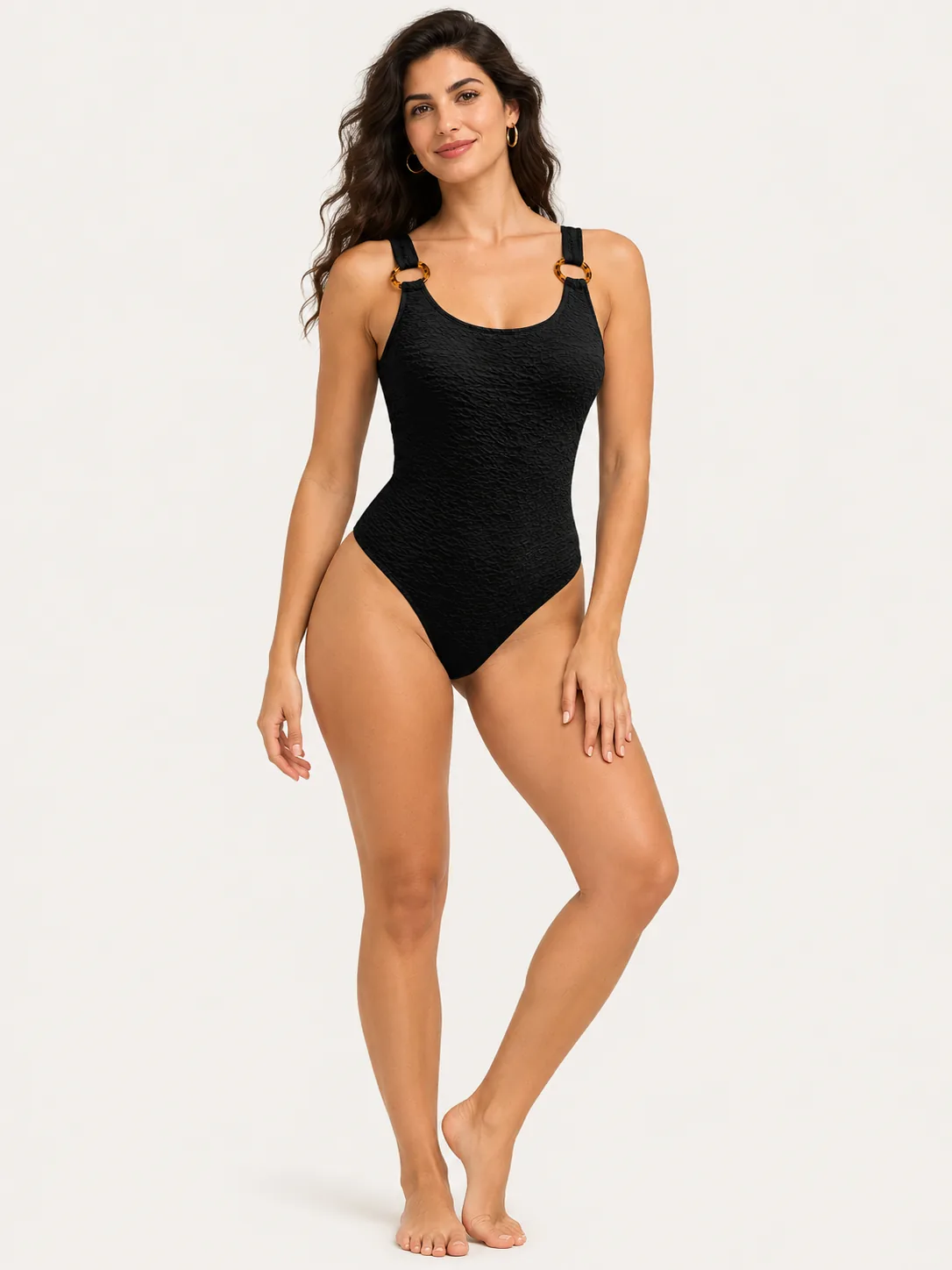
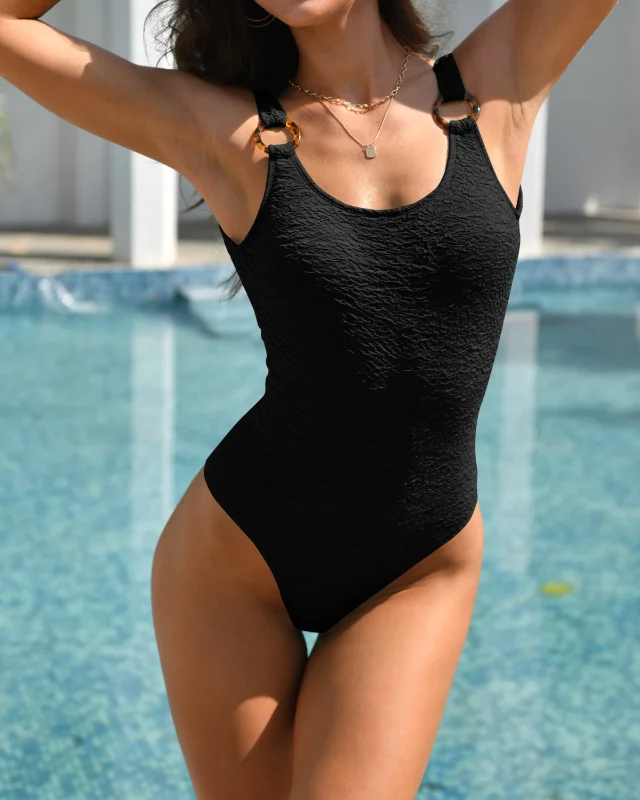
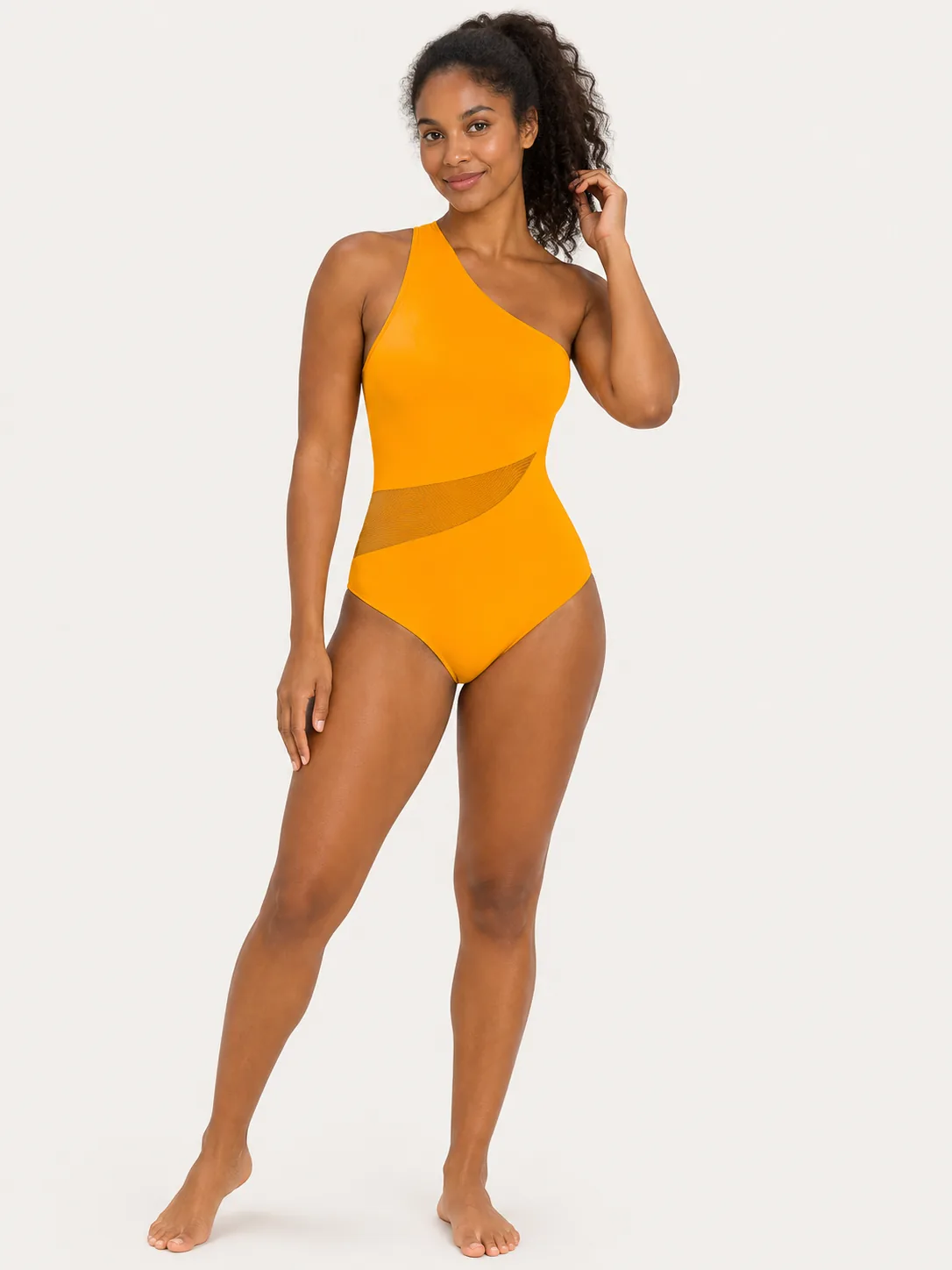
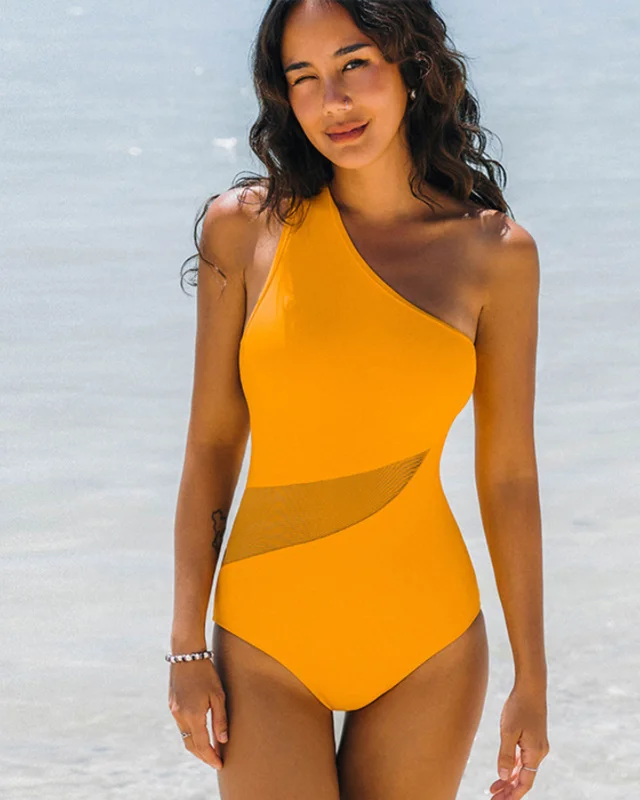
One-piece swimsuits have their own choices: scoop or square necklines, plunging V-necks, one-shoulder designs, open or cut-out backs, and cut-outs at the waist. If you plan to actually swim, a closed or racer-style back tends to stay put more easily than a very open one.
What fabric is swimwear made from?
Most swimwear is made from nylon or polyester, often blended with spandex for stretch. Nylon feels smooth and soft. Polyester is durable and keeps its colour well. Spandex lets the fabric stretch and return to shape, so the suit hugs the body without sagging. Some swim styles are made from 100% nylon or 100% polyester.
The exact fabric line is listed on every product page, along with any lining. A lined suit has a second layer of fabric inside, which adds a little coverage and a smoother feel. Lighter colours and thin fabrics can be more see-through when wet, so check the description if this matters to you.
How do you care for swimwear?
Chlorine, salt, sunscreen and heat are the main reasons swimwear fades or loses its stretch. A few simple habits help it last.
- Rinse your swimsuit in cool fresh water as soon as you can after swimming in a pool or the sea.
- Hand wash in cool water with a gentle detergent; avoid bleach and fabric softener.
- Do not wring it out. Press out the water gently or roll it in a towel.
- Dry flat in the shade. Avoid the tumble dryer, radiators and direct heat.
- Avoid sitting on rough surfaces such as pool edges, which can snag the fabric.
- Rotate between two suits on a long holiday so each one has time to dry fully.
How should swimwear fit?
Swimwear should feel snug when dry, because most fabrics relax slightly in the water. Check that straps do not dig in, ties hold without needing to be very tight, and leg openings lie flat without cutting in or gaping. For a one-piece, the torso should not pull down on your shoulders when you stand up straight; if it does, the suit may be too short in the body for you.
Use the measurements in our size guide and compare them with your own. If you are between sizes, the larger size usually feels more comfortable, while tie styles let you fine-tune the fit.
Questions and answers
Is a bikini or a one-piece better for swimming?
Either can work. Many people find a one-piece or a sporty bikini with wider straps easier for active swimming, because there are fewer ties to adjust.
Are bikini tops and bottoms sold separately?
Bikini sets are sold as a set unless the product page says otherwise.
Can I put swimwear in the washing machine?
Hand washing in cool water is gentlest. If the care label allows machine washing, use a cool, delicate cycle in a mesh bag and air dry.
Why does my swimsuit feel looser in the water?
Most swim fabrics relax a little when wet. That is why swimwear should feel snug, but not tight, when you try it on dry.
What is a swim cover-up?
A cover-up is a light garment, such as a dress, kimono or sarong, worn over swimwear when you are out of the water.
Shop: Swimwear · Yoga Sets · Find your fit in our size guide · Terms explained in the glossary